Thinking about trading a bigger-city pace for a smaller-town feel without giving up access to Grand Rapids? Lowell, Michigan, often stands out for relocators who want a river-centered community, practical commuting options, and housing costs that compare favorably with many nearby markets. If you are weighing a move, this guide will walk you through Lowell’s housing profile, daily lifestyle, and what to know before you start your search. Let’s dive in.
Why Lowell Draws Relocators
Lowell is a small city in Kent County with about 4,139 residents living within roughly 2.9 square miles, according to Census Reporter’s Lowell city profile. That smaller scale can appeal if you want a community that feels more manageable and connected than a larger metro setting.
Lowell also offers a commuter-friendly location. Official city planning documents place it about 14 to 18 miles east of Grand Rapids, with M-21 running through town and I-96 about 5 miles south, according to the City of Lowell recreation plan. For many buyers, that setup creates a useful middle ground between access and a quieter day-to-day environment.
The city’s mean travel time to work is 24.7 minutes, based on Census Reporter data. If you are relocating for work in the Grand Rapids area, that number helps frame Lowell as a realistic option for regular commuting.
Lowell Housing Overview
Lowell’s housing market looks different from many nearby communities because of both price point and housing mix. The city has 1,779 housing units, and the median value of owner-occupied homes is $228,400, according to Census Reporter.
That median sits below Kent County overall at $325,400 and below nearby markets including Grand Rapids, Kentwood, Rockford, and Ada Township, based on the same Census Reporter comparison data. For relocators, that can mean more flexibility in your budget or the chance to prioritize features that may be harder to reach in higher-priced areas.
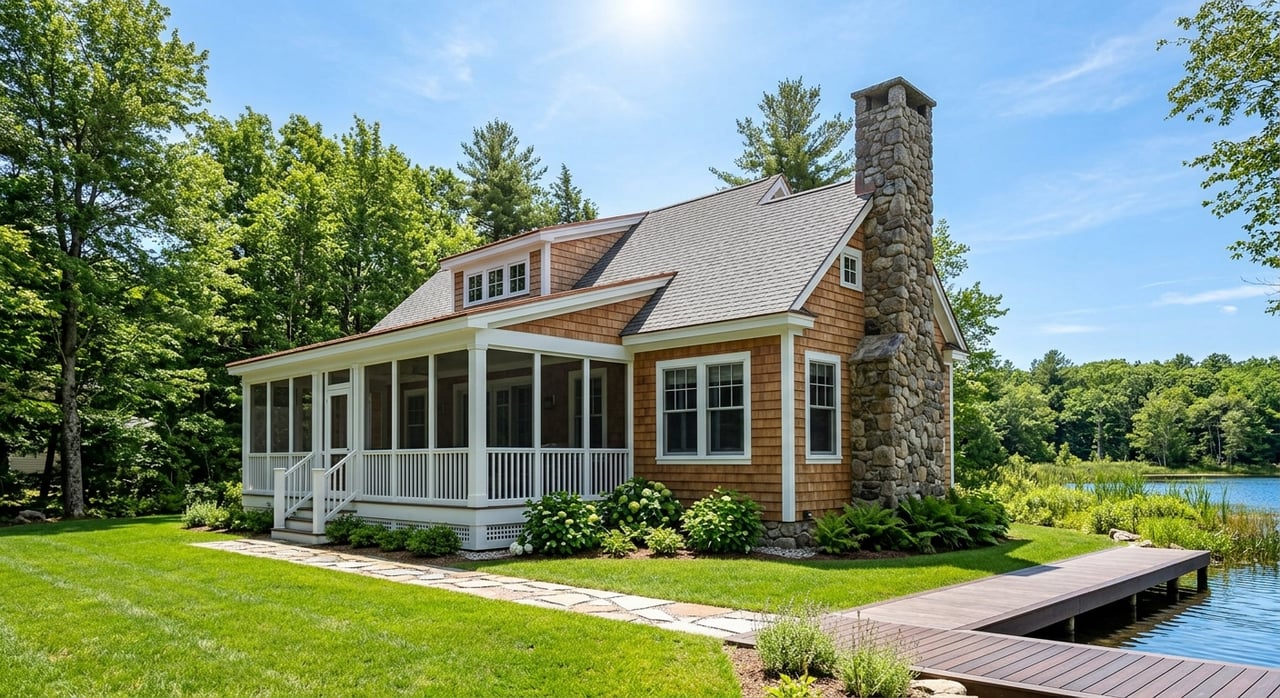
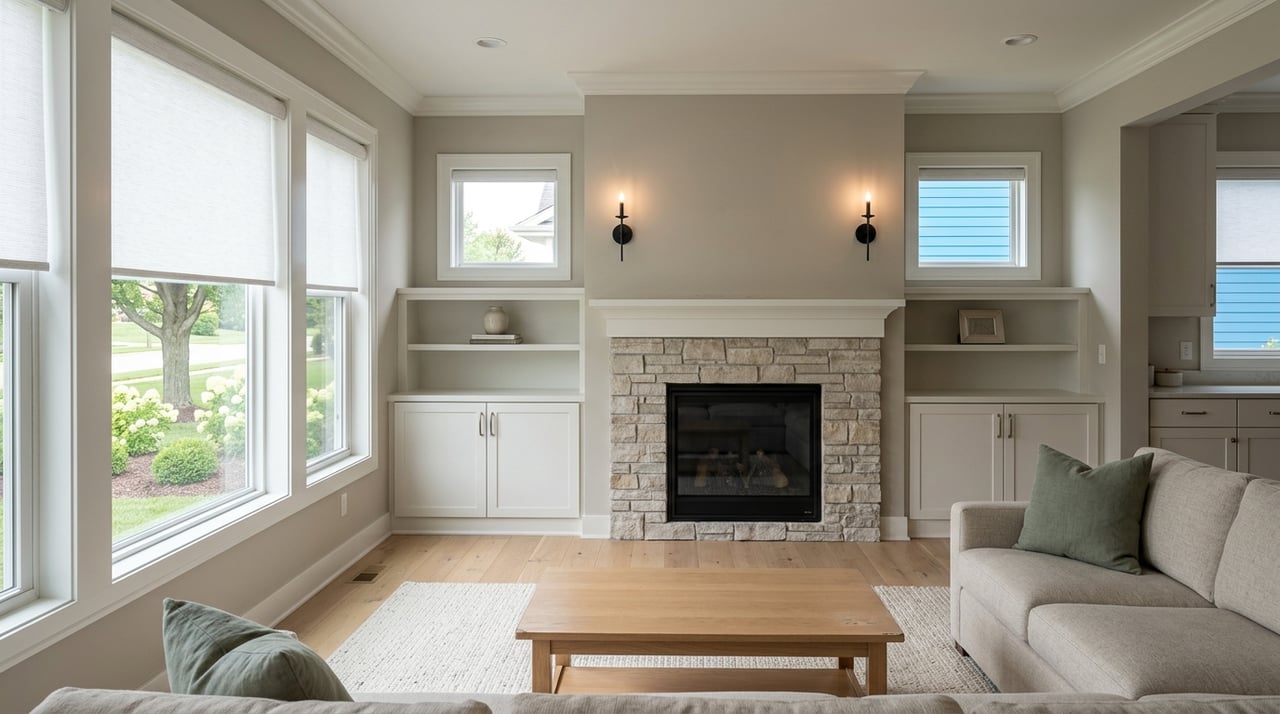
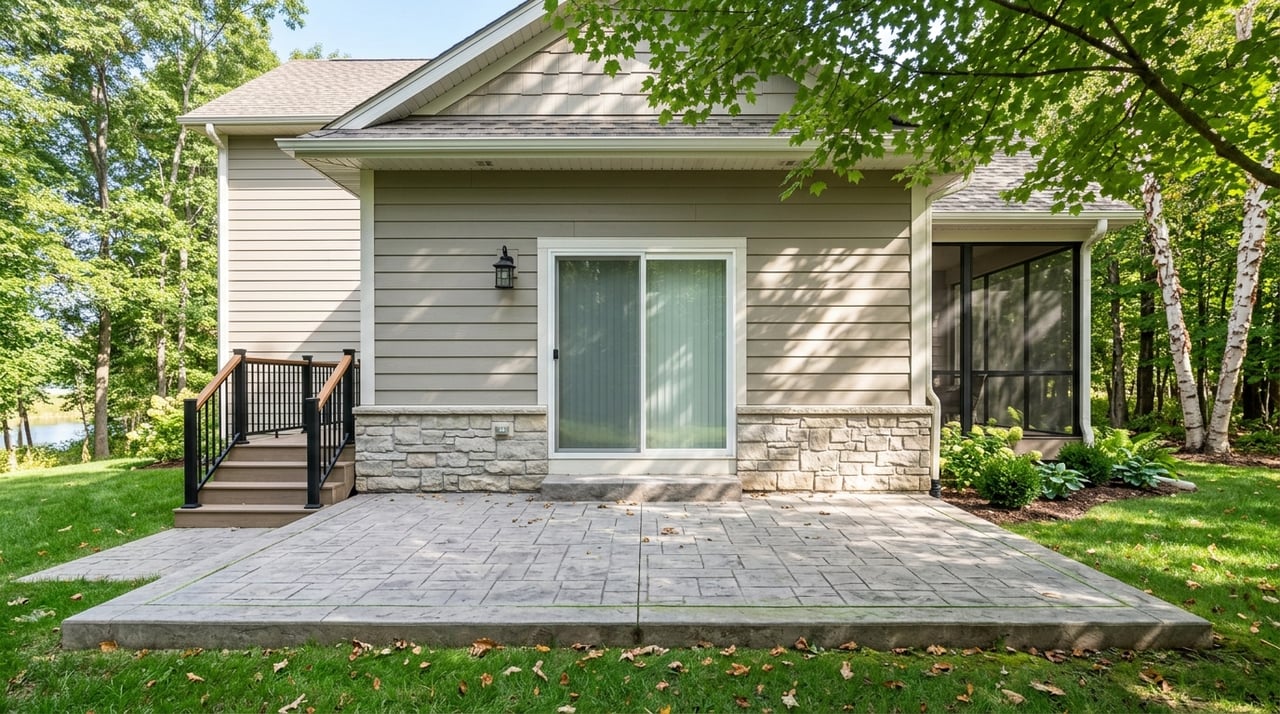
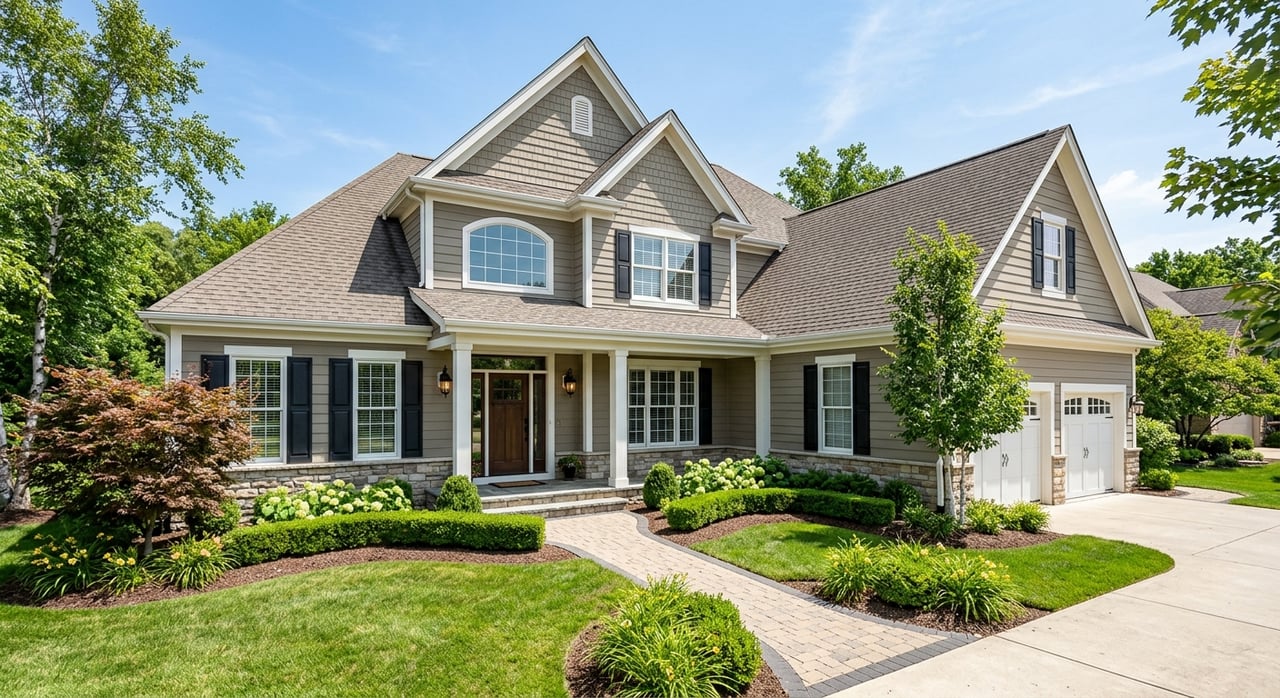
Lowell also does not appear to be a one-format housing market. The city’s official zoning map shows one-family residential, single and two-family, multiple-family, manufactured home park, mixed-use, central business, and river’s-edge districts. In practical terms, that points to a community with a range of home styles and living arrangements rather than one dominant product type.
How Geography Shapes Housing
If you are moving to Lowell, geography matters. The city plan explains that much of the population lives north of M-21 because the south side includes a broad Grand River floodplain and poorer soils, according to the City of Lowell plan document.
The same plan notes that newer residential development is concentrated on the east and west edges of the city. That can be helpful context when you are trying to understand why certain areas feel more established while others may offer a newer development pattern.
Flood patterns are another part of the picture. The city states that downtown and Flat River neighborhoods do not frequently flood, while areas along the Grand River edge and the confluence area are more flood-prone, based on the same official city plan. If you are evaluating homes near the water, it is smart to ask location-specific questions early in the process.
What Daily Life Feels Like
Lowell’s lifestyle is closely tied to its rivers, parks, and compact downtown core. The Flat River runs through the middle of town, and the Grand River forms the city’s southern edge, which gives the community a setting that feels visibly connected to the outdoors, according to the city recreation plan.
The Riverwalk and Showboat area are key parts of that experience. The city notes this area includes a boat launch, ADA canoe and kayak access, benches, picnic tables, and an event lawn by the library, all of which support casual recreation and community use through the year.
Lowell also has an active event feel for a smaller city. The same city plan says the summer concert series has drawn several hundred people to the downtown Riverwalk area. If you value a place where local events are easy to access without a long drive, that is a meaningful part of Lowell’s appeal.
Trails, Parks, and Outdoor Access
For many relocators, outdoor access can shape daily quality of life just as much as the house itself. Lowell places a strong emphasis on paved multi-use paths and regional trail connections, according to the City of Lowell recreation plan.
The Lowell Area Schools district overview describes the Lowell Area Trailway as a community connection for walking, biking, and running. That kind of built-in trail access can be a real benefit if you want easy options for movement and recreation close to home.
The Wittenbach/Wege Center adds another layer to the local outdoor experience. The city recreation plan notes public garden plots and outdoor education programming there, which broadens the range of activities available beyond standard park use.
Downtown Amenities and Community Spaces
Downtown Lowell brings together several of the city’s civic and cultural amenities in one area. The Kent District Library Englehardt branch notes that it is the longest continuously operating KDL branch and sits directly on the Flat River and Riverwalk, with meeting rooms and public computers available.
Lowell Arts is another downtown anchor. According to Lowell Arts, the organization hosts gallery programming, performances, public art efforts, and the summer Showboat concert series in the historic district area. The Lowell Area Historical Museum is also located downtown on Main Street, adding to the concentration of community resources nearby.
For a relocator, this setup can make daily life feel convenient and local. Instead of needing to leave town for every activity, Lowell offers a cluster of amenities in a central, walkable-feeling district.
Schools and Community Context
If schools are part of your relocation planning, it helps to start with the basic structure of the district. Lowell Area Schools states that the district is located 18 miles east of Grand Rapids, serves just under 4,000 students, and includes four elementary schools, a middle school, a high school, Unity High School, and the Wittenbach/Wege Agriscience and Environmental Education Center.
That overview gives you a clear sense of scale and available campus types. As with any move, your next step is to verify boundaries, enrollment details, and current district information directly as you narrow down homes.
How Lowell Compares Nearby
Lowell’s position in the market may be one of its strongest advantages for buyers relocating within West Michigan. Based on Census Reporter data, Lowell’s median owner-occupied home value is lower than Kent County overall and lower than nearby Grand Rapids, Kentwood, Rockford, and Ada Township.
That does not mean every home in Lowell is inexpensive or that every nearby market offers the same experience. It does mean Lowell may deserve a close look if you want a smaller-scale setting and you are comparing value across the eastern side of the Grand Rapids metro area.
For buyers relocating from higher-priced suburbs, Lowell can offer a different balance of home cost, outdoor amenities, and commuter access. For sellers planning a move into Lowell, it can also create opportunities to reframe what you want from your next home and lifestyle.
What to Consider Before You Move
Before relocating to Lowell, it helps to focus on a few practical questions:
- How often will you commute to Grand Rapids or other nearby employment areas?
- Do you want to be closer to downtown amenities, trails, or river access?
- Are you looking for an established area or a location near newer development on the city’s edges?
- Do you want to ask deeper questions about floodplain location or site-specific conditions?
- How does Lowell’s price point compare with the other communities on your shortlist?
A relocation move usually goes more smoothly when you connect your lifestyle goals to the map, not just the listing photos. In Lowell, roads, rivers, trails, and development patterns all play a role in which area feels like the best fit.
Bottom Line on Relocating to Lowell
Lowell offers a distinct mix of small-city scale, commuter access, river-centered recreation, and a lower housing-value baseline than many nearby Grand Rapids-area communities. If you are looking for a place where outdoor amenities, downtown access, and housing variety all matter, Lowell is worth serious consideration.
The key is to evaluate each area of town with clear local context, especially when you are comparing commute routes, development patterns, and location-specific property factors. If you want guidance that is practical, responsive, and tailored to your move, connect with Bryan Anderson Real Estate for relocation support and local insight.
FAQs
What is the housing market like in Lowell, Michigan?
- Lowell has 1,779 housing units, and the median value of owner-occupied homes is $228,400, which is lower than Kent County overall and lower than several nearby communities, according to Census Reporter.
Is Lowell, Michigan, a good option for commuting to Grand Rapids?
- Lowell is about 14 to 18 miles east of Grand Rapids, with M-21 running through town and I-96 about 5 miles south, and the city’s mean travel time to work is 24.7 minutes.
What outdoor amenities are available in Lowell, Michigan?
- Lowell offers river access, the Riverwalk and Showboat area, a boat launch, ADA canoe and kayak access, picnic areas, multi-use paths, trail connections, and outdoor programming through the Wittenbach/Wege Center.
What should buyers know about geography in Lowell, Michigan?
- The city plan notes that much of the population lives north of M-21, newer residential development is concentrated on the east and west edges, and some areas near the Grand River edge and confluence are more flood-prone.
What schools serve residents in Lowell, Michigan?
- Lowell Area Schools serves just under 4,000 students and includes four elementary schools, a middle school, a high school, Unity High School, and the Wittenbach/Wege Agriscience and Environmental Education Center.
How does Lowell, Michigan, compare with nearby housing markets?
- Lowell’s median owner-occupied home value is below Grand Rapids, Kentwood, Rockford, Ada Township, and Kent County overall, which may make it an appealing option for buyers comparing value in the area.