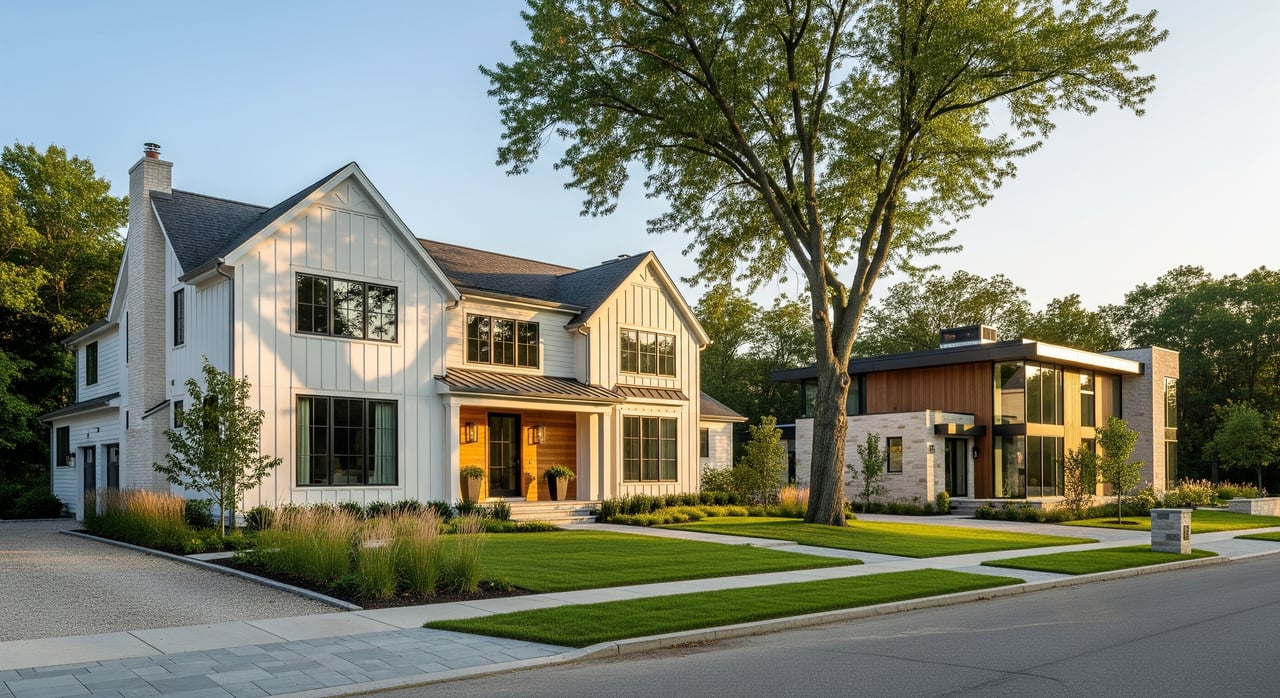
Thinking about building new in Ada but unsure which neighborhood style fits your life? You are not alone. With village infill, traditional subdivisions, estate lots, and townhomes in the mix, it can be hard to compare apples to apples. In this guide, you will learn how each new-build option in Ada typically looks, what HOAs and rules may apply, how builders and costs differ, and what to look for on tours. Let’s dive in.
How Ada new builds take shape
Ada blends a small village center with a semi-rural setting along the Thornapple River. The area is served by Forest Hills Public Schools, and the short commute to Grand Rapids adds to the appeal for move-up buyers.
Natural features like river corridors, wetlands, and woodlands shape where new homes can go. Zoning, density limits, setbacks, and stormwater requirements also guide lot sizes, street layouts, and the style of development. Inside the village, you will see smaller infill lots. Outside the core, expect more subdivisions and larger, wooded parcels.
Because of land and regulatory constraints, Ada tends to offer fewer high-density, low-cost projects than outer suburbs. New construction often targets move-up and premium segments with semi-custom or custom finishes and site-driven lot premiums.
Neighborhood types compared
Village infill homes
- Lot sizes: typically about 0.10 to 0.30 acre.
- Styles: two-story traditionals, craftsman, and modern farmhouse; some 1.5 to 3 story plans to maximize space.
- HOA: often present with modest fees, design guidelines, and shared maintenance standards.
- Who it fits: buyers who value walkability to Ada Village shops and lower yard upkeep.
- Pros: close to amenities, lower maintenance. Cons: smaller yards and less privacy.
Subdivision single-family
- Lot sizes: commonly 0.25 to 0.6 acre depending on the section.
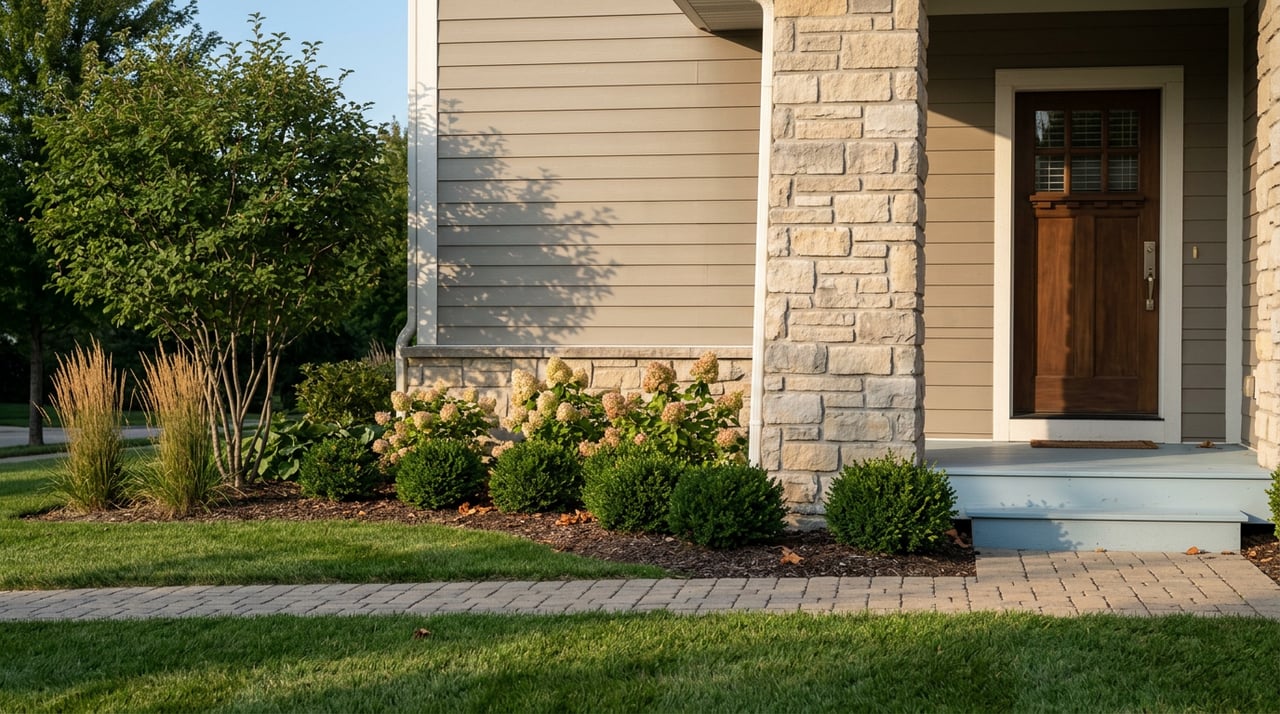
- Styles: ranch, colonial, craftsman, and modern farmhouse with attached garages.
- HOA: common, covering entrance landscaping, common areas, private roads, and design approvals.
- Who it fits: those seeking neighborhood feel, usable yards, and proximity to daily needs.
- Pros: balanced space and community feel. Cons: HOA rules and closer neighbors.
Estate and luxury parcels
- Lot sizes: 1 acre or more; treed and river-adjacent lots can be larger.
- Styles: custom or semi-custom plans across ranch, contemporary, and modern farmhouse.
- HOA: minimal rules or private road associations; covenants focus on site preservation and standards.
- Who it fits: buyers seeking privacy, acreage, and tailored design.
- Pros: privacy and personalization. Cons: higher site costs and longer timelines.
Attached townhomes and low-maintenance options
- Lot sizes: small footprints with shared land.
- Styles: townhomes, duplexes, and condo-style attached units; ranch townhomes appeal to downsizers.
- HOA: robust coverage of exterior maintenance, snow removal, landscaping, and common systems.
- Who it fits: buyers prioritizing low-maintenance living and newer finishes.
- Pros: minimal upkeep. Cons: higher monthly dues and less outdoor space.
Costs, builders, and timelines
Builder paths to consider
- Production builders: standardized plans, streamlined options, and typically faster builds with less customization.
- Semi-custom builders: base plans plus meaningful upgrade flexibility and design choices.
- Custom builders: full design control, longer timelines, and more site-specific planning.
Many Ada buyers choose a quick-delivery spec home for speed or pair a purchased lot with a custom builder for maximum control.
Budget and line items to verify
- Lot costs: riverfront, wooded, or large-acre sites carry premiums; some lots are improved, others require extra site work.
- Base price vs upgrades: finishes like flooring, appliances, cabinetry, and finished basements are often upgrades.
- Site development: driveway, grading, septic where applicable, stormwater, tree removal, and erosion control.
- Permits and utilities: township permits, sewer and water tap fees when available, meters, and inspections.
- Soft costs: architectural design, engineering, soils tests, and surveys for custom builds.
- Ongoing costs: HOA dues, private road assessments, and future reserves.
New construction in Ada often prices at a premium to comparable resale because of lot values, new systems, and warranties. For a precise picture, review recent MLS new-build sales, builder spec pricing, and local appraiser guidance.
Typical timelines
- Spec or quick-move-in homes: about 2 to 6 months, depending on completion status.
- Production builds on improved lots: roughly 6 to 9 months from permit to occupancy.
- Semi-custom or custom homes: about 9 to 18 months or more, based on complexity and site work.
Weather, permit lead times, labor availability, and material supplies can move these timelines up or down.
Contracts, warranties, and responsibilities
- Confirm what is included in the base price and how change orders are priced.
- Review builder warranty terms for workmanship, systems, and manufacturer coverage.
- Clarify who handles site surprises like soil issues, extra fill, or grading challenges.
- Align build milestones with financing timelines, rate locks, and closing targets.
Energy, codes, and inspections
- New homes must meet the Michigan Residential Code and local enforcement.
- Ask for energy specs or a HERS score if available, including insulation levels, HVAC equipment, windows, and thermostat type.
HOAs, covenants, and local rules to review
- HOA scope and fees: understand what dues include, such as snow removal, landscaping, exterior maintenance, and any private road reserves.
- Covenants and design guidelines: check minimum square footage, exterior materials, color approvals, fence rules, and architectural review steps.
- Private roads: learn how maintenance is funded, reserve contributions, and past or planned assessments.
- Environmental limits: confirm floodplain and wetland setbacks and any riparian buffers along the Thornapple River that impact yard use and buildable area.
- Septic vs municipal service: village areas are more likely to have municipal sewer and water; rural lots may need well and septic with added permitting and maintenance.
- Documents to get early: CC&Rs, bylaws, budget and reserve studies, meeting minutes, rental or home-business rules, and special assessment history.
How to tour and compare
Start with these tours
- Village infill or spec homes near the village if walkability and convenience lead your list.
- Subdivisions with mid-size lots if you want a yard and neighborhood feel.
- Estate parcels if privacy and customization matter most and you are comfortable with longer timelines.
- Attached options if you want low-maintenance living or are downsizing.
On-site checklist
- Lot orientation, sun exposure, grading, drainage, and privacy from tree lines or buffers.
- Environmental clues: standing water, erosion, wetland markers, and any floodplain indicators.
- Neighborhood context: sidewalks, street lighting, traffic patterns, and proximity to daily needs.
- Interior scope: what finishes are standard versus upgrades across flooring, lighting, appliances, cabinets, and trim.
- Mechanical and energy: furnace and AC specs, hot water system, insulation values, and thermostat features.
- Schedule and warranty: request a written build timeline, walk-through dates, and warranty coverage.
- HOA and rules: ask for governing documents, dues breakdowns, and enforcement practices.
- Financing and incentives: inquire about preferred lender benefits, rate buydowns, and closing-cost help, then confirm the net price.
Questions to ask
- Builders: What is the exact base price and current allowances? What counts as an upgrade? How are change orders priced? Who pays for site surprises? Can we see recent local builds and references? What warranties are included?
- Sellers of spec homes: How long has the home been on the market? Which upgrades are included at the list price? Are there recent comparable sales to support pricing?
- HOA reps or developers: What do fees cover? Any pending special assessments? Is there a reserve study? How long is the architectural review timeline?
Red flags to avoid
- Vague inclusion lists or complex upgrade packages that are hard to summarize.
- Missing or incomplete HOA financials, CC&Rs, or road maintenance agreements.
- Ongoing drainage problems, erosion, or unresolved site issues.
- Pricing practices that make it hard to compare value across similar homes.
Which option fits your goals?
If walkability and low maintenance matter most, start with village infill. If you want a yard and a neighborhood setting, compare subdivision options. If privacy and personalization drive your decision, look at larger estate lots and be ready for a longer, more involved build.
If you want a local guide to line up tours, review HOA and contract details, and compare pricing across builders and specs, reach out to Bryan Anderson Real Estate. You will get concierge-level support, clear communication, and local expertise to help you choose the right new-build path in Ada.
FAQs
What new construction options exist in Ada, MI?
- You will typically see village infill on small lots, traditional subdivisions with mid-size lots, larger estate parcels for custom builds, and attached townhomes.
How long does it take to build a new home in Ada?
- Spec homes can close in about 2 to 6 months, production builds often take 6 to 9 months, and semi-custom or custom homes can take 9 to 18 months or longer.
What HOA costs and rules should I expect with Ada new builds?
- HOAs can range from modest fees for common areas to higher dues covering exterior maintenance and private roads; always review CC&Rs, budgets, and reserve studies early.
Do all new homes in Ada have municipal sewer and water?
- Village-area lots are more likely to have municipal service, while rural or estate sites may require well and septic with extra permitting and maintenance.
What should I ask an Ada builder before signing a contract?
- Ask for itemized inclusions, upgrade pricing, change-order procedures, site responsibility for surprises, build timelines, references, and detailed warranty terms.