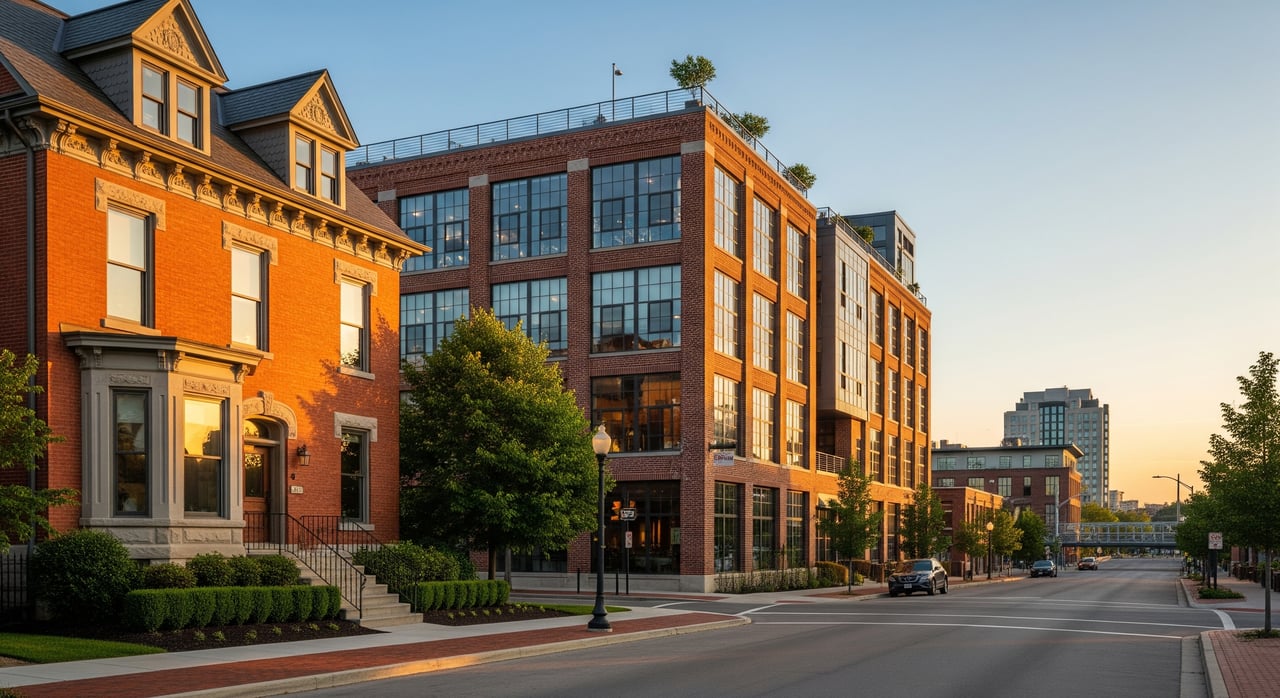
Which Grand Rapids neighborhood feels like home to you right now? You might be drawn to a Queen Anne with carved woodwork, a cozy brick Tudor, a practical mid-century ranch, or a sunlit loft with skyline views. There is a style for nearly every lifestyle and budget across the city and nearby suburbs. In this guide, you will learn how home styles differ, which neighborhoods match those styles, and what to consider before you buy. Let’s dive in.
Home styles at a glance
Grand Rapids offers a wide range of architecture, each with its own rhythm of daily living.
Historic homes: 1880s to 1930s
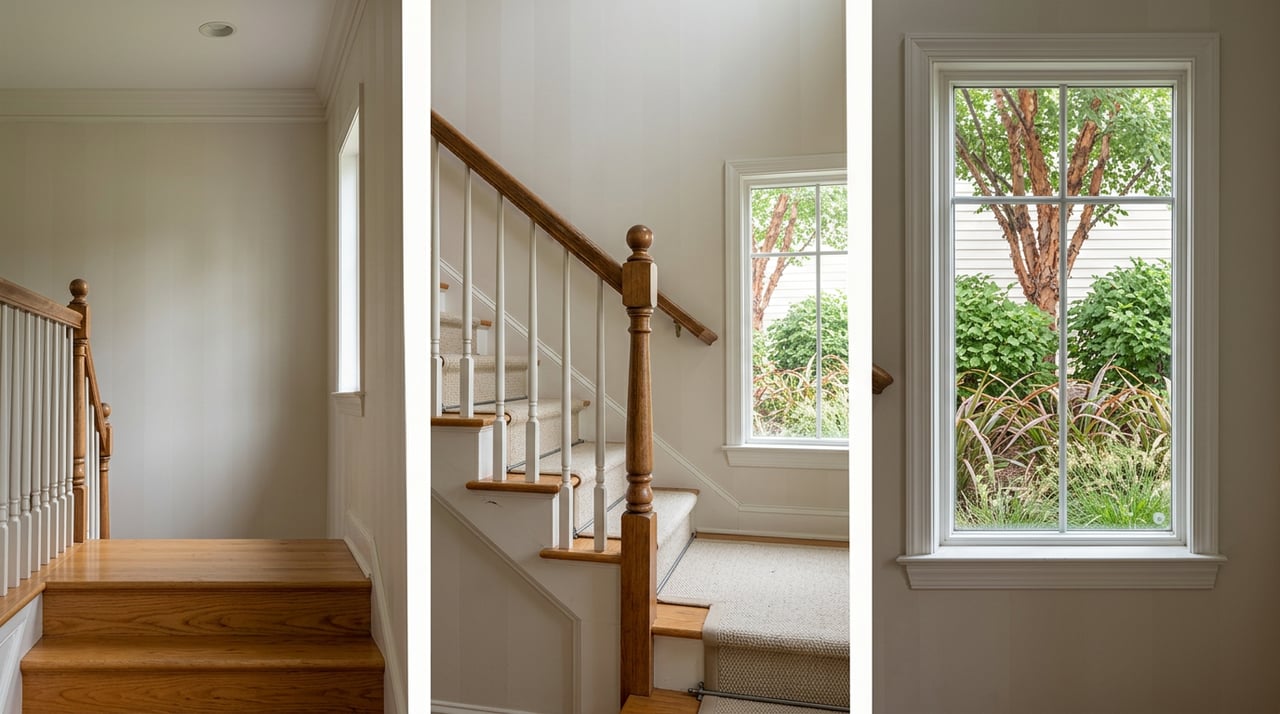
You see these in Heritage Hill and surrounding streets, parts of Eastown, and the West Side. Expect solid wood framing, plaster walls, hardwood floors, porches, and high ceilings. Floor plans tend to be more segmented, which adds privacy and quiet rooms. Many buyers love the period details and mature tree canopies.
- Strengths: character, craftsmanship, generous square footage and lots.
- Watchouts: older windows, insulation, wiring, and plumbing may need attention. Plan for periodic major system updates.
- Fit: you enjoy architectural detail and are open to preservation or thoughtful renovations.
Bungalows and Tudors: 1910s to 1940s
These homes show up along the Wealthy corridor, Eastown, Creston, and older pockets across the city. They offer efficient layouts, full basements, and inviting porches. Many have updated kitchens and baths, while original hardwoods and trim often remain.
- Strengths: manageable size, walkable settings, good for first-time buyers and downsizers.
- Watchouts: smaller closets and storage, older mechanicals in some homes.
- Fit: you want character without the scale of a large historic property.
Postwar ranches and mid-century: 1950s to 1970s
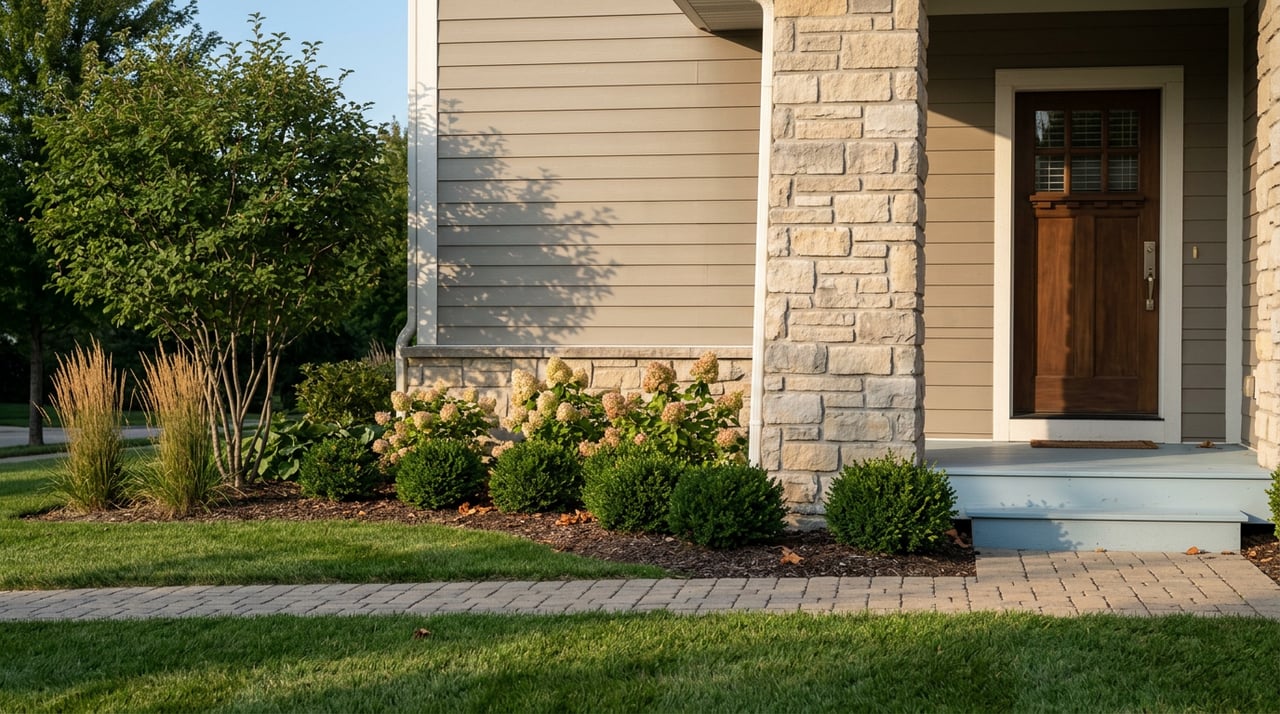
You will find these in Grand Rapids’ outer neighborhoods and nearby suburbs like Kentwood and Wyoming. One-level living, attached garages, and simpler lines define this era. Lots are often larger and layouts are practical.
- Strengths: easy living on one floor, simpler maintenance, bigger yards.
- Watchouts: dated systems or finishes may need modernization.
- Fit: you value accessibility and space, and prefer to update on your own timeline.
Infill new construction and townhomes: 2000s to today
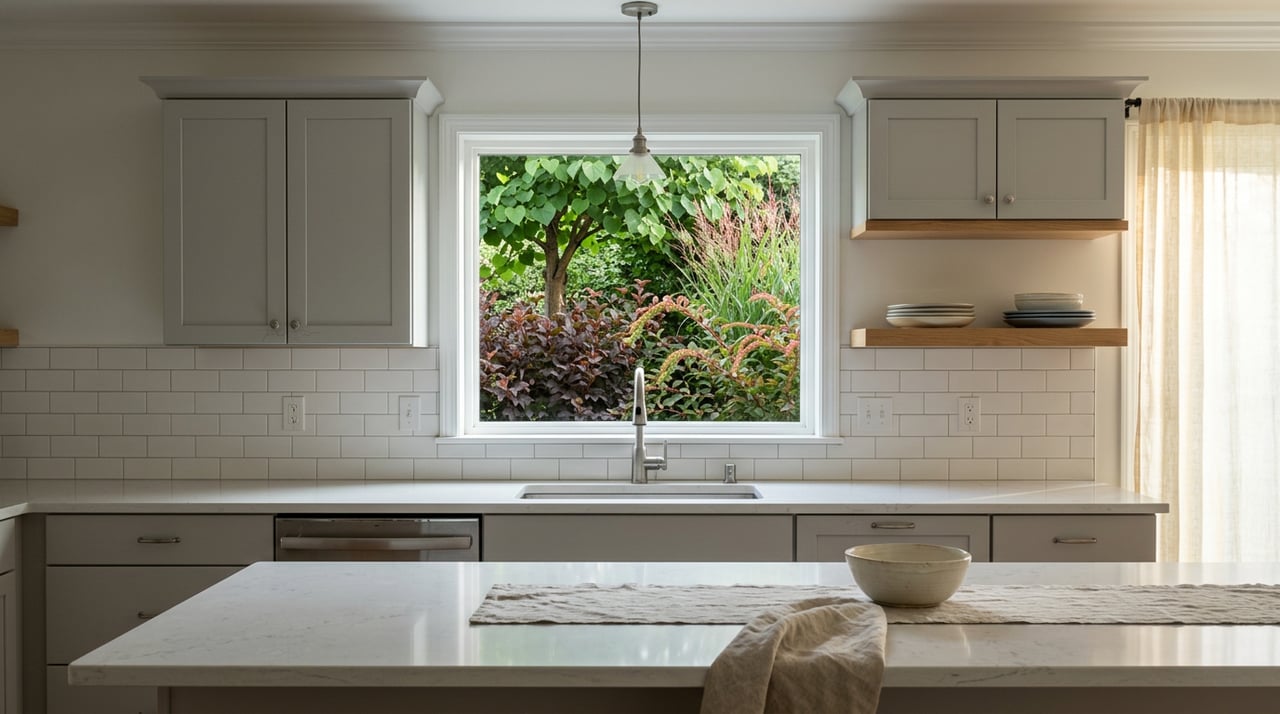
Look near Midtown, the West Leonard corridor, and pockets close to downtown redevelopment. These homes bring open floor plans, energy-efficient systems, and attached garages or tuck-under parking. Yards may be smaller, but maintenance is lighter.
- Strengths: modern finishes, efficiency, lower exterior upkeep.
- Watchouts: higher price per square foot in central areas, possible HOA rules.
- Fit: you want modern convenience near the urban core.
Condos and lofts
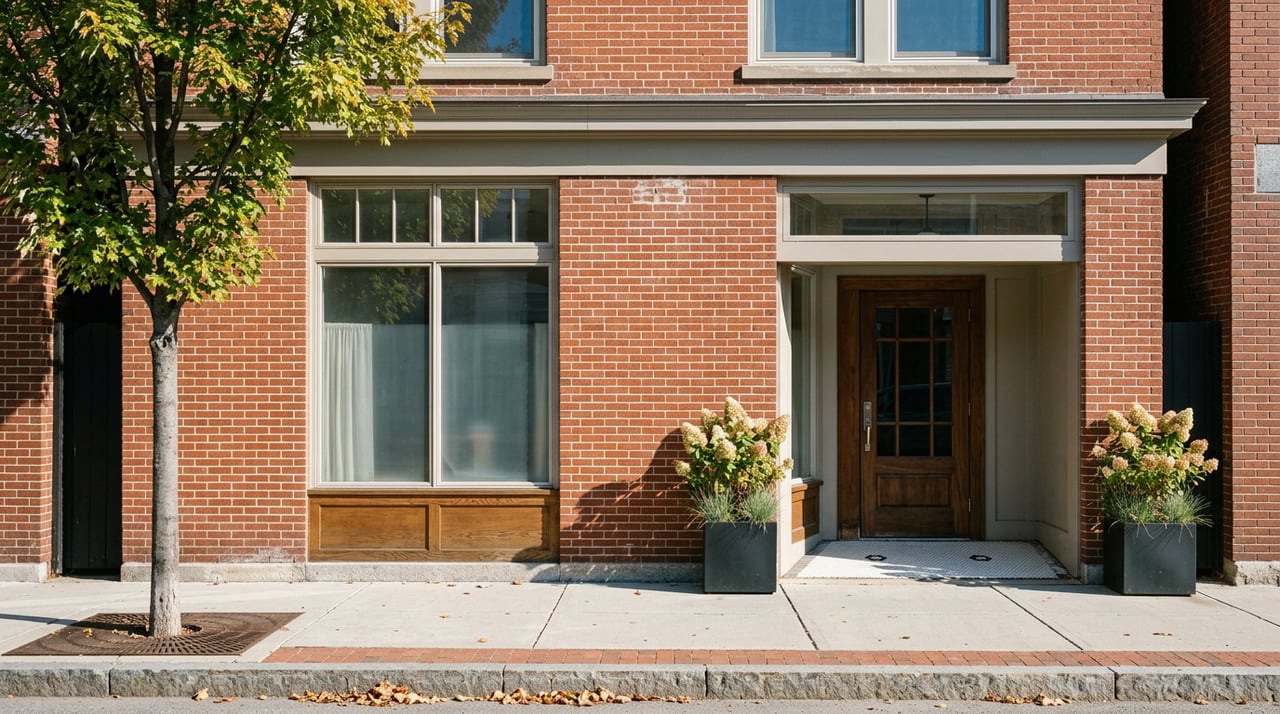
Downtown, along the riverfront, and near the Medical Mile, you will see both new condo buildings and converted industrial lofts. High ceilings, large windows, and open plans define many of these spaces. You trade private yard space for walkability and amenities.
- Strengths: urban access, low exterior maintenance, standout interior volume and light.
- Watchouts: HOA dues, parking arrangements, and sound transfer in open plans.
- Fit: you want a lock-and-leave lifestyle close to restaurants, arts, and events.
Neighborhoods and what they offer
Each Grand Rapids area has its own housing mix and day-to-day feel. Use this section to narrow your search by lifestyle rhythm.
Downtown and riverfront
Housing: loft conversions, modern condo towers, and townhomes near the river. Living here is about walkability to restaurants, arts, and downtown jobs. You should plan for HOA fees, parking considerations, and potential event noise.
- Resource: Check transit options through The Rapid routes and schedules and general walkability insights with Walk Score.
Midtown and Medical Mile
Housing: a blend of older single-family homes, newer infill townhomes, and small condo buildings. Daily life is lively, with educational and medical employers nearby. It suits buyers who want quick city access with a neighborhood atmosphere.
Heritage Hill
Housing: Victorian, Queen Anne, Colonial Revival, and early 20th-century properties line tree-shaded streets. The area is a historic district known for architecture and proximity to downtown. Many homes are fully restored, while others may be rehabilitation projects.
- Resource: Learn more about the neighborhood’s history and homes through the Heritage Hill Association.
Eastown and the Wealthy corridor
Housing: bungalows, Tudors, and a mix of older homes with some later infill. The corridor includes cafes, boutiques, and small businesses that make it easy to run errands on foot. You will find an active street scene and regular community events.
West Side and West Leonard
Housing: smaller single-family homes, duplexes, and growing townhome options through infill projects. You get evolving retail pockets and quick trips to downtown. It can be a good starting point for buyers balancing price and access.
Creston and Alger Heights
Housing: modest historic homes and bungalows with a mix of newer businesses and revitalization pockets. Demand has grown for close-in value. You can find approachable entry points with short commutes to core neighborhoods.
East Grand Rapids (adjacent city)
Housing: larger historic and suburban homes, tree-lined streets, and private lots. The community offers a suburban feel near Grand Rapids amenities. Buyers often look here for yards and a classic neighborhood setting.
Kentwood, Wyoming, and nearby suburbs
Housing: postwar ranches, newer subdivisions, and larger-lot single-family homes. These areas are car-oriented with suburban amenities. They can offer newer construction and more space while staying close to the city.
What to consider by home type
Knowing the tradeoffs up front helps you shop with confidence. Use these checklists to plan inspections and budgets.
Historic houses
- Pros: unmatched character, sturdy craftsmanship, larger rooms and lots.
- Cons: higher maintenance expectations, potential updates to plumbing, electrical, HVAC, and insulation.
- Due diligence: test for lead-based paint, look for older wiring, assess foundation and roof age. If the property is in a historic district, review City of Grand Rapids historic preservation info before exterior changes.
Bungalows and Tudors
- Pros: efficient layouts, walkable blocks, great candidates for smart cosmetic updates.
- Cons: smaller closets, basement moisture is a common local issue.
- Due diligence: evaluate drainage, grading, sump pump, and signs of water intrusion.
Ranch and mid-century homes
- Pros: one-floor living, easier maintenance, and often bigger yards.
- Cons: may need kitchen or bath modernization and mechanical updates.
- Accessibility: simpler to adapt for aging in place.
New infill and townhomes
- Pros: modern finishes, energy efficiency, and lower exterior upkeep.
- Cons: smaller private outdoor spaces, HOA rules and fees.
- Due diligence: review builder warranties and HOA documents before you commit.
Condos and lofts
- Pros: walkable, low exterior maintenance, striking interiors.
- Cons: HOA dues, potential sound transfer, less private outdoor space.
- Due diligence: obtain HOA financials and reserve studies, confirm parking and any planned special assessments, and verify code compliance for conversions.
Costs and ownership basics
- Property taxes: Millages vary by location. Review parcel data and tax histories with Kent County property records.
- Insurance: Older homes can cost more to insure, especially with original wiring or unique materials. Condo buyers should understand the building’s master policy versus unit coverage.
- HOA and condo associations: Read meeting minutes, budgets, and reserve studies to spot fee trends and rules about pets or rentals.
- Market context: For current prices, inventory, and days on market, follow the Grand Rapids Association of REALTORS market reports and your agent’s MLS insights.
How to choose your fit
Start by prioritizing your daily routines. Do you want a porch for coffee and neighbor hellos, or an elevator that drops you beside a favorite restaurant? Are you ready to steward a historic gem, or would you rather trade weekend projects for a newer townhome? Your must-haves will point you to the right style and neighborhood.
Use this quick field checklist during tours:
- Is the neighborhood walkable to your weekly stops like grocers or coffee? Check transit with The Rapid and walkability with Walk Score.
- What is the typical home age and style on the block, and are you comfortable with the maintenance that comes with it?
- For older homes, ask for records of major updates like roof, HVAC, electrical, and plumbing.
- For condos and lofts, request HOA financials and reserve studies, and confirm parking and storage.
- Inspect basements for moisture, and check gutters, downspouts, and sump systems.
- Ask about any local guidelines, such as historic district rules or rental restrictions.
- Consider commute times and proximity to parks and health services.
When you are ready to compare options, bring your questions and a clear budget. A local agent can help you weigh tradeoffs among walkability, space, maintenance, and long-term value so you can move forward with confidence.
Looking for guidance on where to start or how to line up financing, tours, and inspections on your schedule? Connect with Bryan Anderson Real Estate for concierge-level buyer and seller support, neighborhood-by-neighborhood insight, and digital tools like an instant home valuation to help you plan your next step.
FAQs
Which Grand Rapids neighborhoods are most walkable?
- Downtown, the Wealthy Street corridor, Eastown, and parts of Midtown offer strong walkability to restaurants and shops; confirm specific blocks with Walk Score and routes from The Rapid.
How do historic district rules affect remodeling in Heritage Hill?
- Exterior changes may be reviewed for compliance, so consult the City’s historic preservation resources at the City of Grand Rapids and the Heritage Hill Association before planning work.
Are historic homes more expensive to insure and maintain?
- Insurance can be higher for very old homes or homes with original systems, and owners often budget more for maintenance and updates compared with newer construction.
What low-maintenance options should I consider besides condos?
- Newer infill single-family and townhomes provide modern systems and lower exterior upkeep, while condos and lofts reduce exterior work but include HOA dues.
What renovation issues are common in older Grand Rapids homes?
- Basement moisture and drainage, older mechanicals, lead paint in pre-1978 homes, and occasional foundation settling are typical items to check with experienced inspectors.
How do I evaluate parking for downtown condos and lofts?
- Confirm whether parking is deeded or leased, understand guest parking policies, and factor the convenience and cost of public ramps or street parking into your decision.
Where can I find local market stats and property tax details?
- Review market trends through the Grand Rapids Association of REALTORS and check parcel-level tax histories via Kent County property records.