Wondering why some Grand Rapids homes feel cozy and dry all winter while others struggle with cold rooms, wet basements, or summer stuffiness? In West Michigan, the weather plays a bigger role in home performance than many buyers and sellers expect. If you understand how local climate affects roofs, basements, insulation, and comfort, you can make smarter real estate decisions. Let’s dive in.
Grand Rapids Weather Matters at Home
Grand Rapids sees four true seasons, and that shapes how homes are built, maintained, and valued. NOAA climate normals for Grand Rapids show an annual mean temperature of 49.3°F, about 39.40 inches of precipitation each year, and 77.6 inches of snowfall.
Winter brings real cold, with average January highs of 31.0°F and lows of 18.6°F. Summer can also be warm, with average July highs of 83.1°F and lows of 62.5°F. That range means your home has to perform well in both heating and cooling seasons.
Kent County is in climate zone 6A, which makes insulation, air sealing, and moisture control especially important. Michigan’s residential energy code reflects that cold-climate reality with tighter performance expectations for items like insulation, duct sealing, testing, and ventilation.
Snow and Rain Change Daily Living
In Grand Rapids, weather is not just a seasonal backdrop. It affects how you use your home every day. Snow, slush, rain, and freeze-thaw cycles all add wear to the house and to your routines.
Lake-effect snow can still reach Grand Rapids and Kent County when winds come in from the west or west-northwest. That matters because even homes that look similar on paper may handle winter very differently depending on how well they manage snow, melting, and moisture.
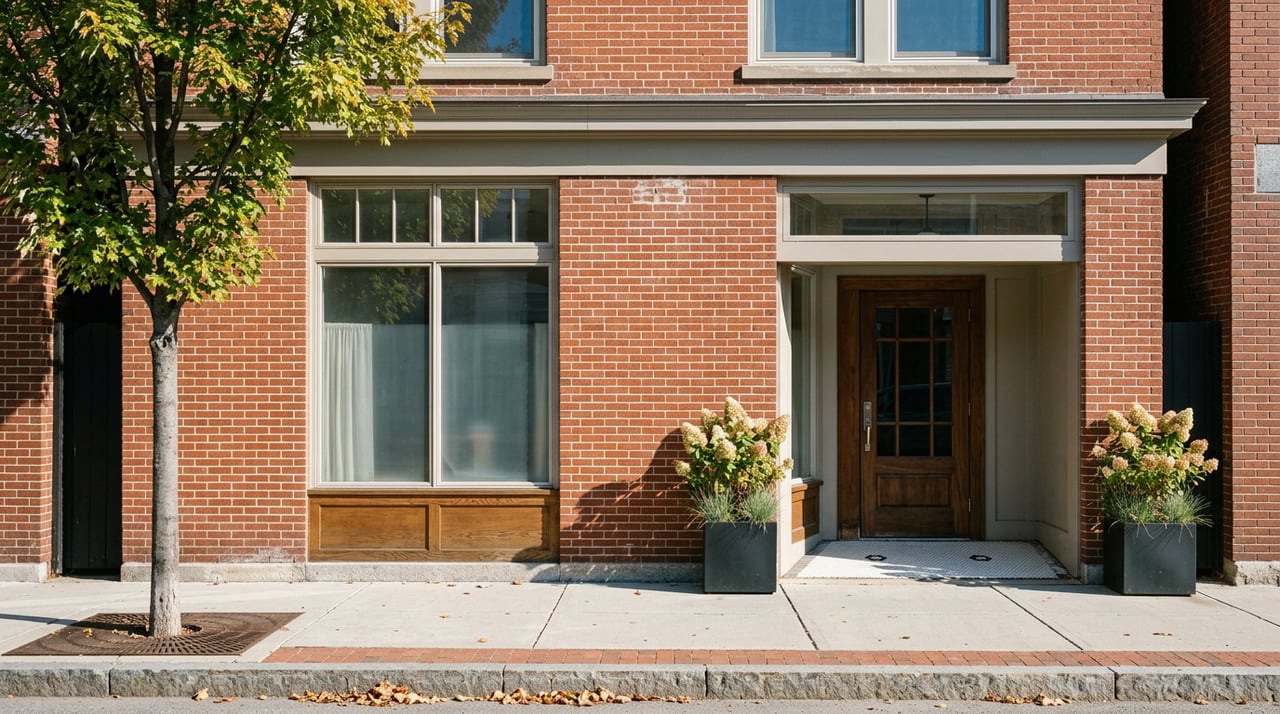
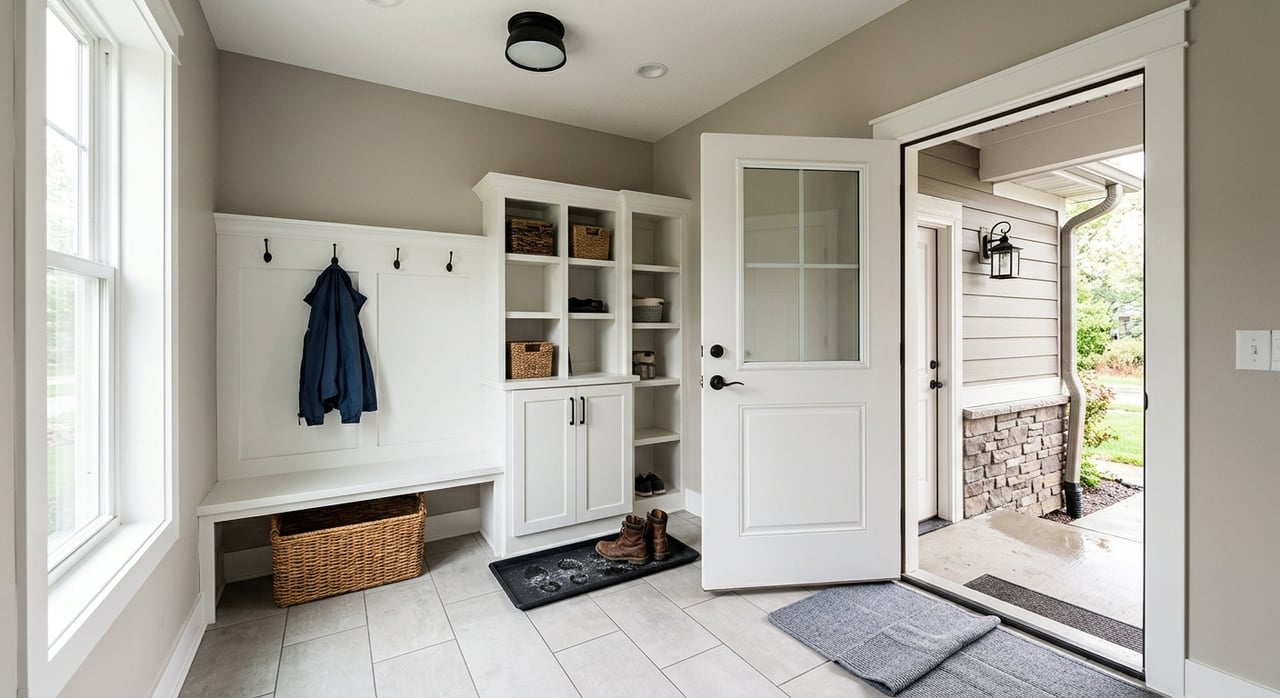
One simple feature that fits this climate well is a practical entry area. A mudroom or entry zone with washable flooring, room for coats, and space for wet boots can make daily life much easier during snowy and rainy months.
Basements Need Moisture Control
Basements are common in cold-climate homes, but in West Michigan, they need careful moisture management. Heavy rainfall and flooding, including basement flooding, are identified in Grand Rapids’ climate planning as risks that can damage residential property.
That is why a basement should be evaluated for more than just square footage or finished space. You want to know whether the home manages groundwater and stormwater well, and whether moisture concerns were addressed before any finishing work was added.
A few practical signs can help you spot potential concerns during a showing:
- Musty odors
- Efflorescence on walls
- Signs of seepage
- Basement finish work that appears newer than the surrounding space
- Grading that does not move water away from the home
Grand Rapids also has a footing-drain disconnection program to help reduce sewer backups in basements when stormwater and groundwater enter sanitary sewers. The city also maintains policies related to backwater valves, sump pumps, and footing drains, which makes these features especially relevant in local home searches.
Roofs Do More Than Cover the House
In a climate like Grand Rapids, roof condition means more than whether shingles look new. Freeze-thaw cycles can contribute to ice dams, and moisture problems often connect back to how the roof, attic, and drainage systems work together.
For that reason, buyers should think about the whole exterior shell. Flashing, attic air sealing, insulation depth, and gutter and downspout performance all affect whether a home stays dry and comfortable through winter melt and spring rain.
Sealing the eaves is recommended in colder climate zones, and attic air sealing is a key first step before adding insulation. In practical terms, that means the attic can tell you a lot about how well a home handles West Michigan weather.
Insulation and Air Sealing Affect Comfort
If you have ever walked into a home that feels drafty near the windows, chilly on the second floor, or expensive to heat, the issue may be the building envelope rather than the furnace alone. In climate zone 6A, insulation and air sealing have a direct impact on comfort and operating costs.
Michigan’s current residential code materials show stronger expectations for insulation and other energy-related details than older standards. That matters for both newer construction and older homes that may have been updated only in part.
ENERGY STAR says sealing air leaks and adding insulation can save up to 10% on annual energy bills. EPA estimates an average 15% reduction in heating and cooling costs when air sealing and insulation are improved in common problem areas like attics, floors over crawlspaces, and basements.
For many Grand Rapids homes, the highest-value upgrades are often:
- Attic air sealing
- Attic insulation
- Basement or crawlspace air sealing
- Basement or crawlspace insulation
- Duct sealing
ENERGY STAR notes that the attic should usually be addressed first, with the basement or crawlspace often next. So if you are comparing homes, energy performance is worth looking at beyond the thermostat setting.
Summer Comfort Is Part of the Equation
People often focus on winter in West Michigan, but summer comfort matters too. Grand Rapids’ climate plan notes that many older homes may lack air conditioning or enough cooling capacity.
That makes central cooling, shading, and ventilation more than nice extras. In some homes, they are key quality-of-life features, especially during warmer stretches in July and August.
If a basement feels damp in summer, humidity control is also worth your attention. ENERGY STAR says certified dehumidifiers use 20% less energy than conventional units, and improving drainage around the foundation can help lower basement humidity.
Outdoor Spaces Need Practical Design
Weather shapes the outside of a home just as much as the inside. In Grand Rapids, outdoor living spaces tend to work better when they account for runoff, shade, and seasonal wear.
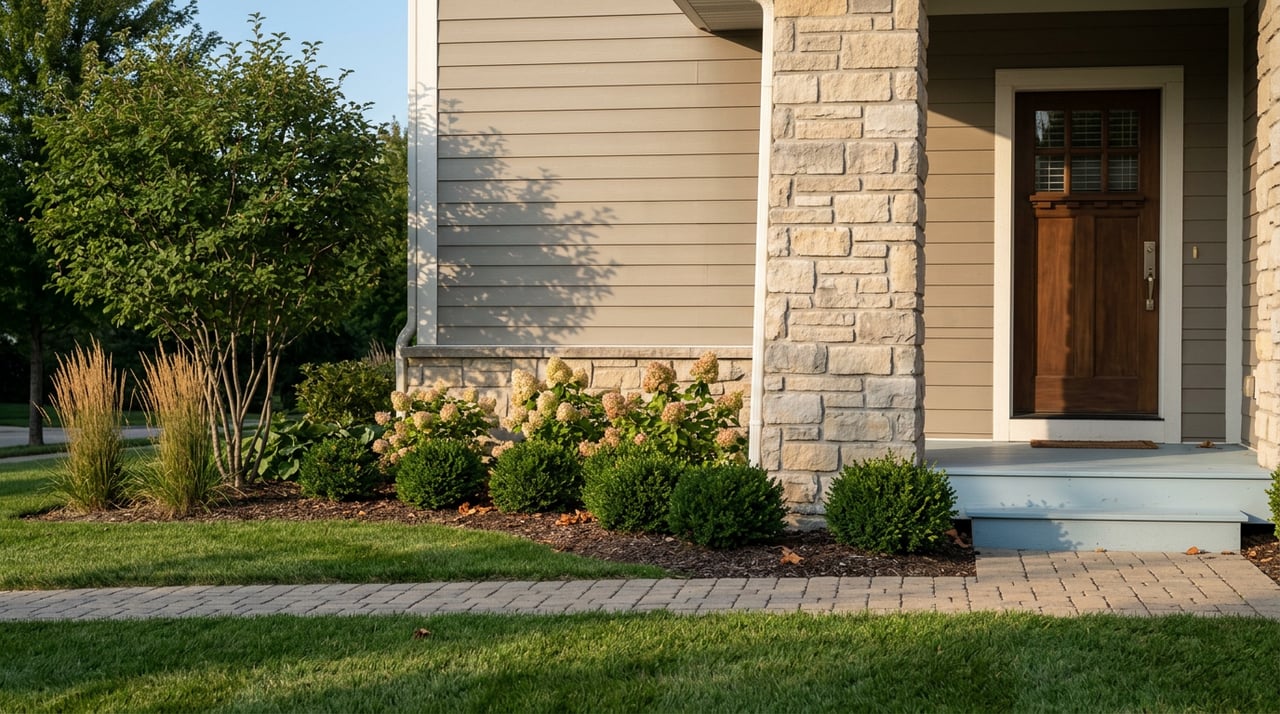
The city’s climate plan says tree canopy and green infrastructure help reduce stormwater runoff, flooding, and heat exposure. For homeowners, that means drainage-conscious landscaping and sheltered outdoor spaces may be more practical than large, fully exposed hardscape areas.
This does not mean one yard style is always better than another. It means a well-planned exterior in West Michigan should help manage water and support comfort throughout the year.
What Buyers Should Watch During Showings
When you tour homes in Grand Rapids, it helps to look beyond finishes and staging. A beautiful kitchen matters, but so does how the home handles snow, rain, cold, and humidity.
Use this checklist to stay focused on weather-related performance:
- Look for a dry, functional entry area for snow, slush, and rain
- Check for signs of basement seepage, musty odor, or unresolved moisture issues
- Ask whether the home has a sump pump, backwater valve, or known footing-drain concerns
- Notice whether grading directs water away from the foundation
- Ask whether the attic has been air sealed and whether the home has a history of ice dams or winter ceiling leaks
- Check whether the HVAC system appears equipped for summer cooling needs
- Ask whether ducts are sealed and insulated
- If the basement is finished, ask whether drainage and moisture control were addressed first
These details can help you compare homes more clearly, especially when two properties seem similar on the surface.
What Sellers Can Do Before Listing
If you are preparing to sell, weather-related home performance can shape buyer confidence. In Grand Rapids, buyers often notice signs of moisture, drafts, roof concerns, or weak cooling faster than sellers expect.
You do not always need a major renovation to make a strong impression. Clear maintenance records, evidence of drainage improvements, attic or insulation upgrades, and visible care around gutters, grading, and basement conditions can help your home feel better maintained.
This is also where local market knowledge matters. A high-touch agent who understands how Grand Rapids buyers think about basements, winter performance, and seasonal comfort can help you position those features clearly and effectively.
Why Local Guidance Helps
West Michigan weather creates a very specific set of housing priorities. A home that performs well here often combines good moisture control, solid insulation, thoughtful drainage, and practical comfort features for both winter and summer.
If you are buying, that knowledge helps you ask better questions and avoid surprises. If you are selling, it helps you highlight the features that matter most to local buyers.
At Bryan Anderson Real Estate, you get concierge-level guidance rooted in real Grand Rapids market experience, so you can evaluate homes with more confidence and position your property with clarity when it is time to sell.
FAQs
What weather issues matter most for Grand Rapids homes?
- In Grand Rapids, the biggest weather-related home concerns often include snow and slush at entryways, basement moisture, drainage, attic air sealing, insulation, ice dam risk, and adequate summer cooling.
What should buyers check in a Grand Rapids basement?
- When touring a Grand Rapids home, you should look for musty odors, seepage, efflorescence, signs of past water issues, sump pump or backwater valve details, and grading that directs water away from the foundation.
Why is attic air sealing important in West Michigan homes?
- In West Michigan’s cold-climate conditions, attic air sealing helps reduce heat loss, improve comfort, support insulation performance, and lower the risk of moisture problems tied to winter conditions.
Do older Grand Rapids homes need better cooling?
- Some older Grand Rapids homes may lack air conditioning or enough cooling capacity, so buyers should treat cooling, shading, and ventilation as important comfort features during summer.
How can sellers prepare a Grand Rapids home for weather-conscious buyers?
- Sellers can build buyer confidence by addressing drainage concerns, documenting basement or attic improvements, maintaining gutters and grading, and clearly showing how the home handles moisture, insulation, and seasonal comfort.